Loading…
Submit a prayer request, pray with us, or offer Healing Mass intentions
Discover the Camillian's mission, history, and commitment to serving the sick and suffering
St. Camillus

1 / 8
Early Life
Chapter 1 of 8
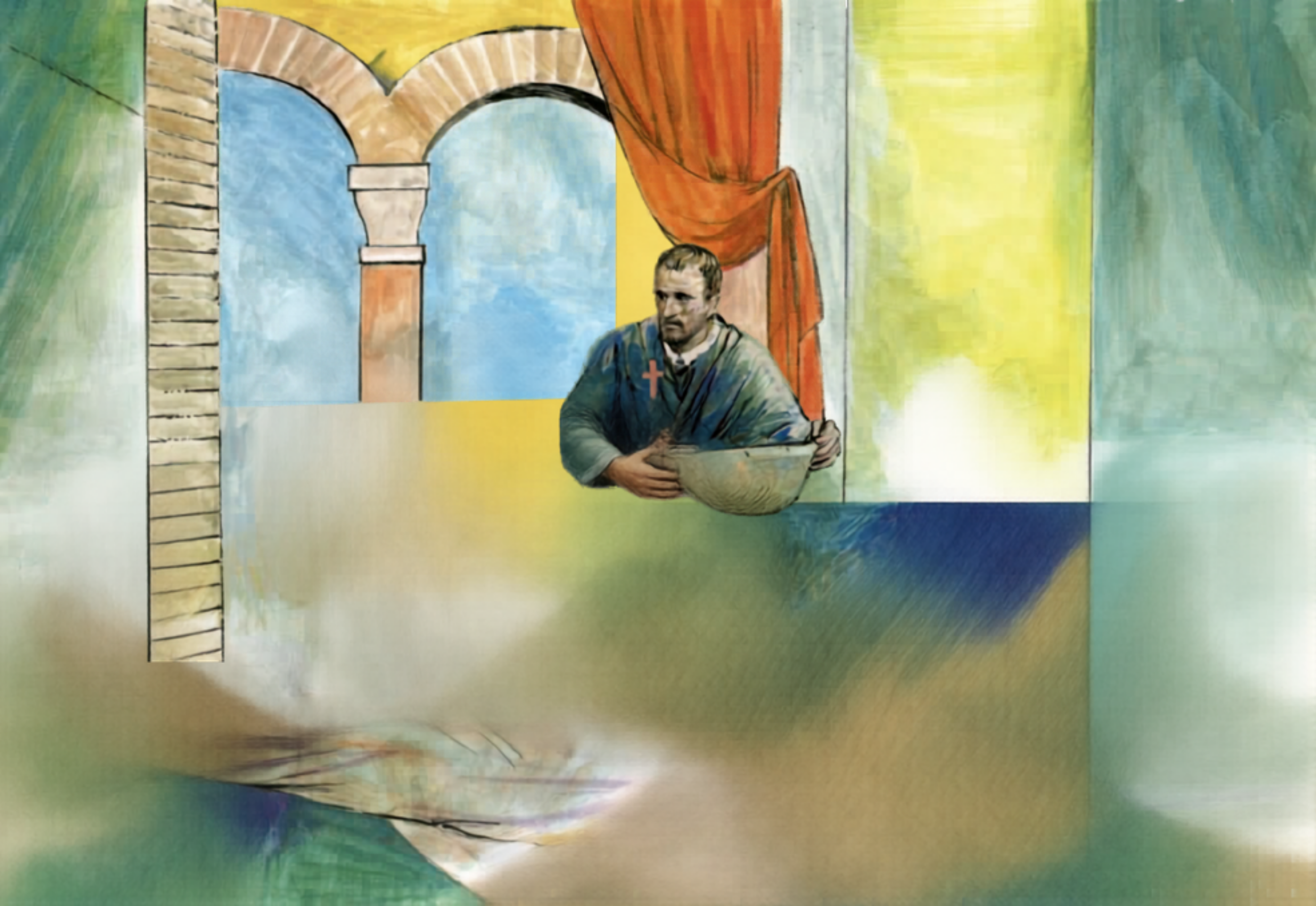
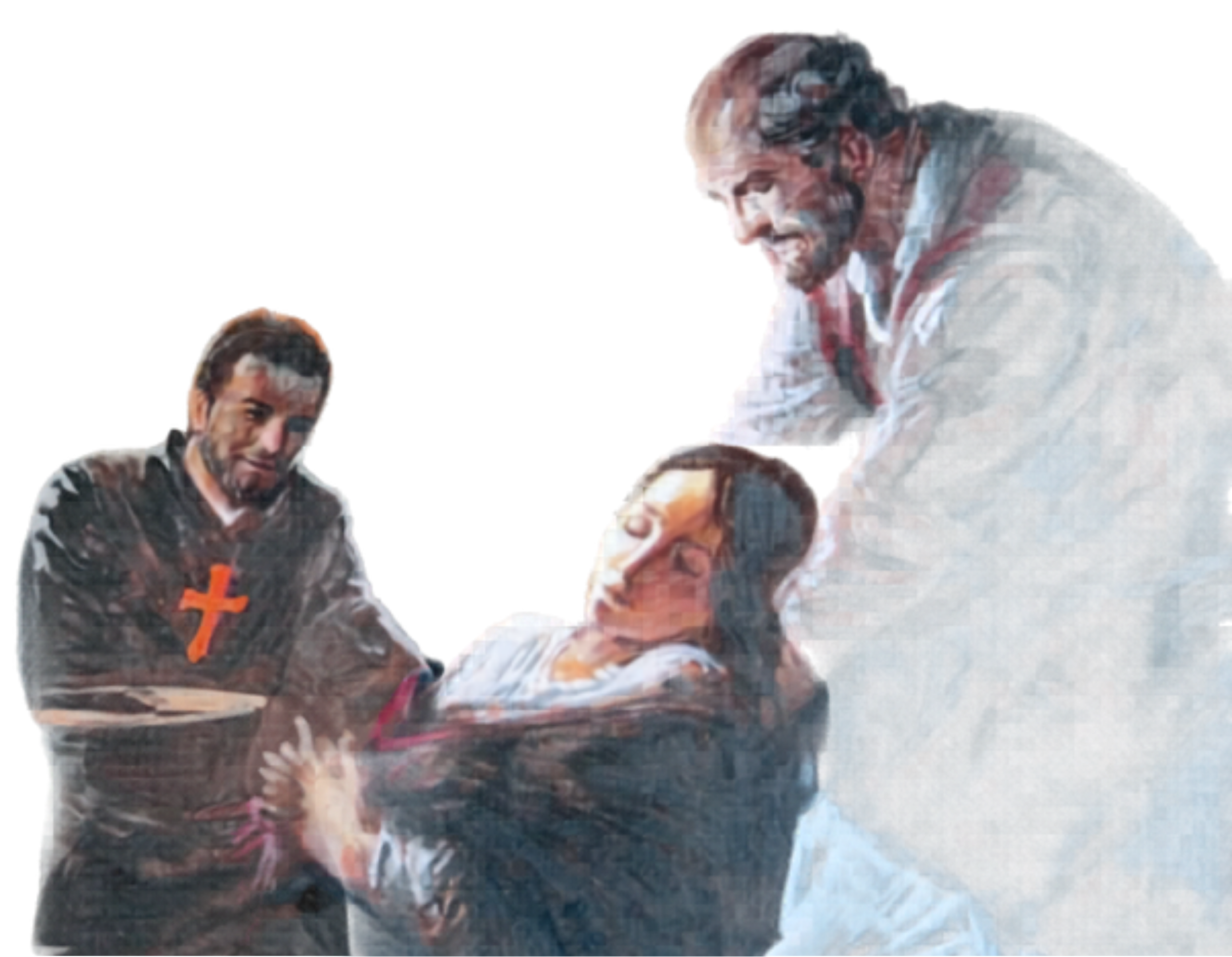
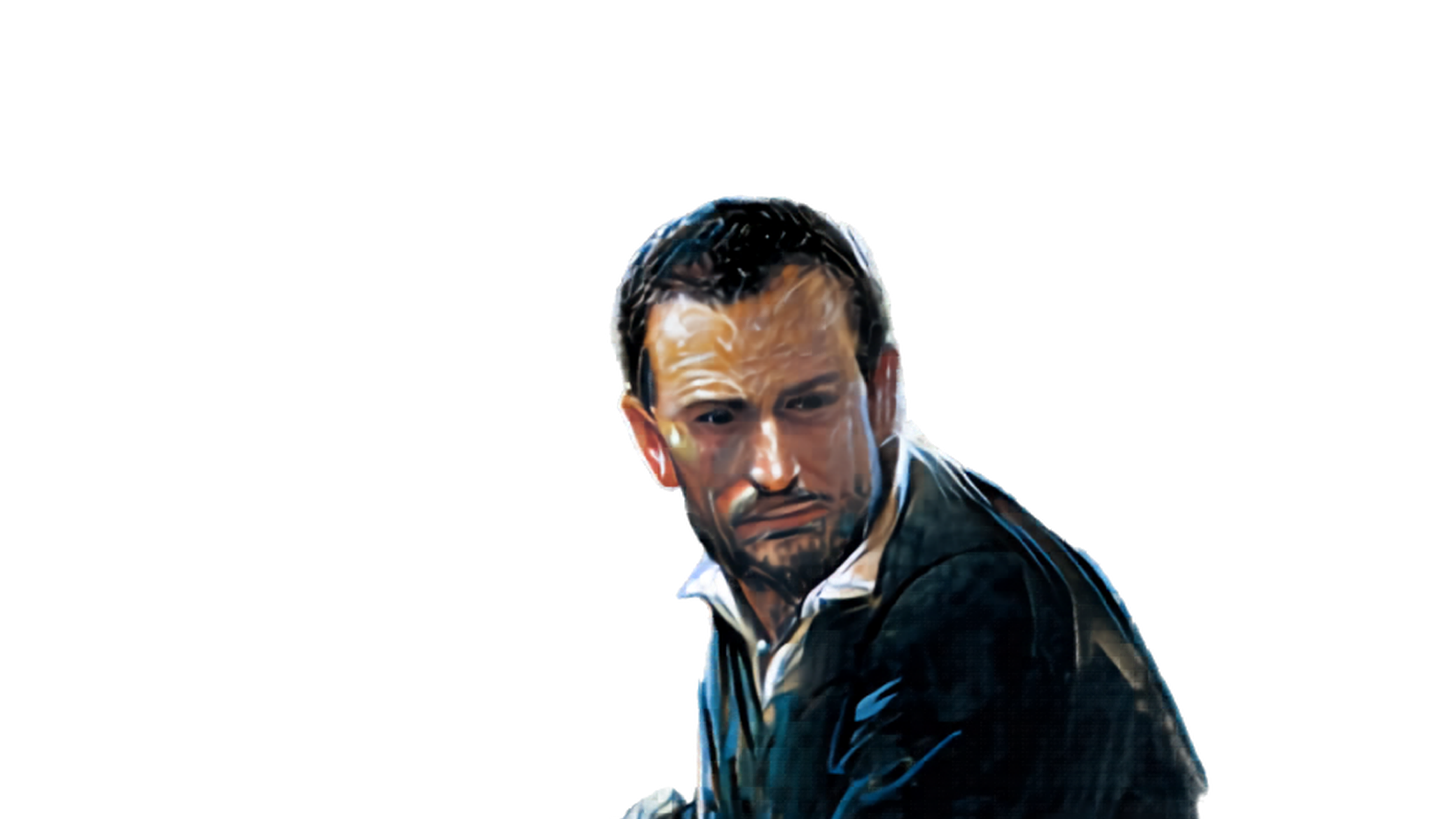
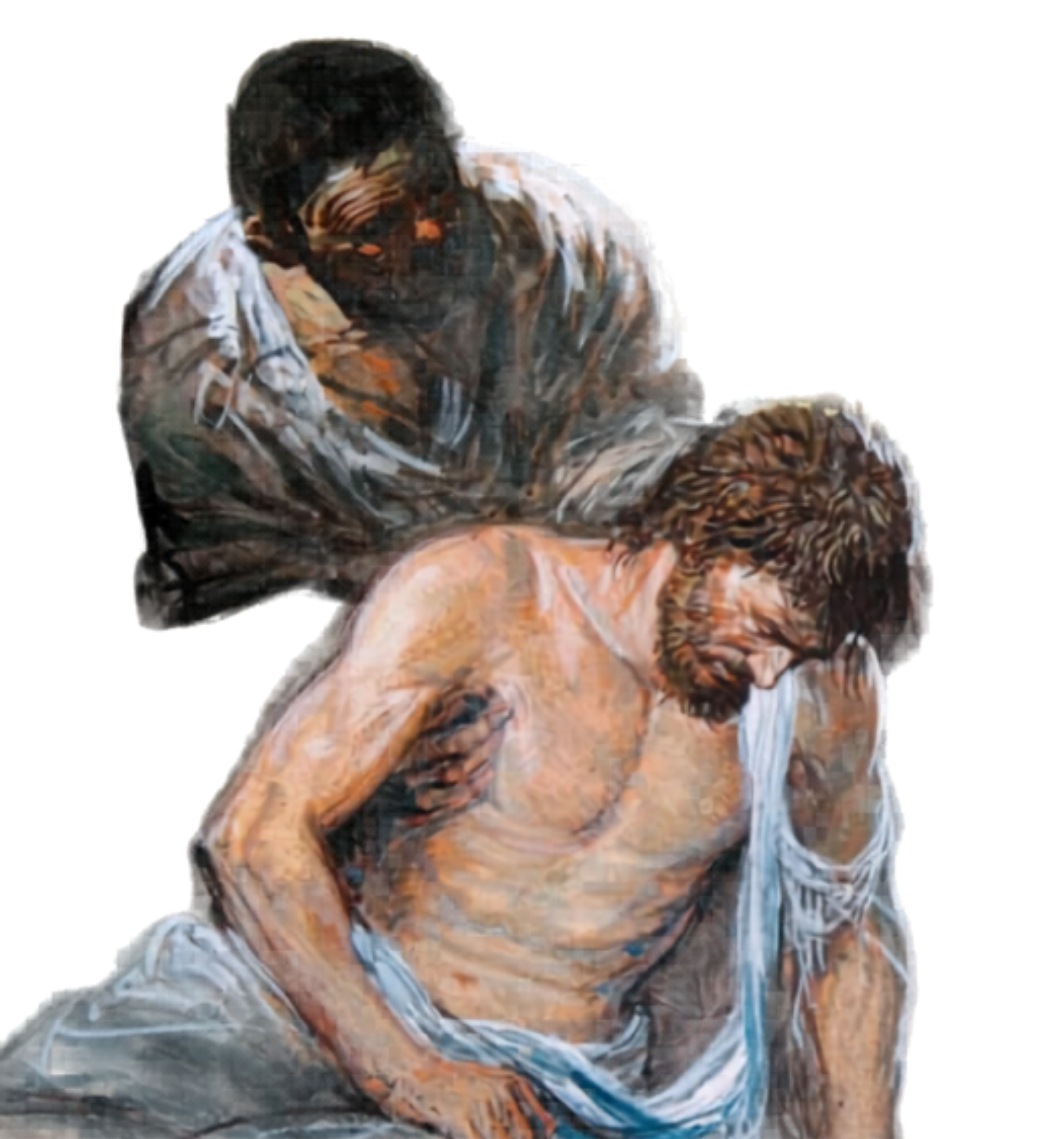
Camillus de Lellis was born on May 25, 1550 in Bucchianico, Italy. His conception was accompanied by a prophetic dream of her mother Camilla who dreamt of a band of boys wearing Red Crosses on their chest marching around. This brought her anxiety thinking that her son might become a leader of a gang. She gave birth to Camillus when she was nearly 60 years old thus earning the title "Elizabeth" in their neighborhood. His father, John, was an official in the Royal army. When Camillus was at a young age her mother died and this sudden loss brought emptiness in him. He had a turbulent childhood and was regarded as "odd, loose, and bizarre."
The specificity of the Camillian charism is love for the sick, lived in a community of fathers and brothers. From this derives our manner of living the Christian spirituality.
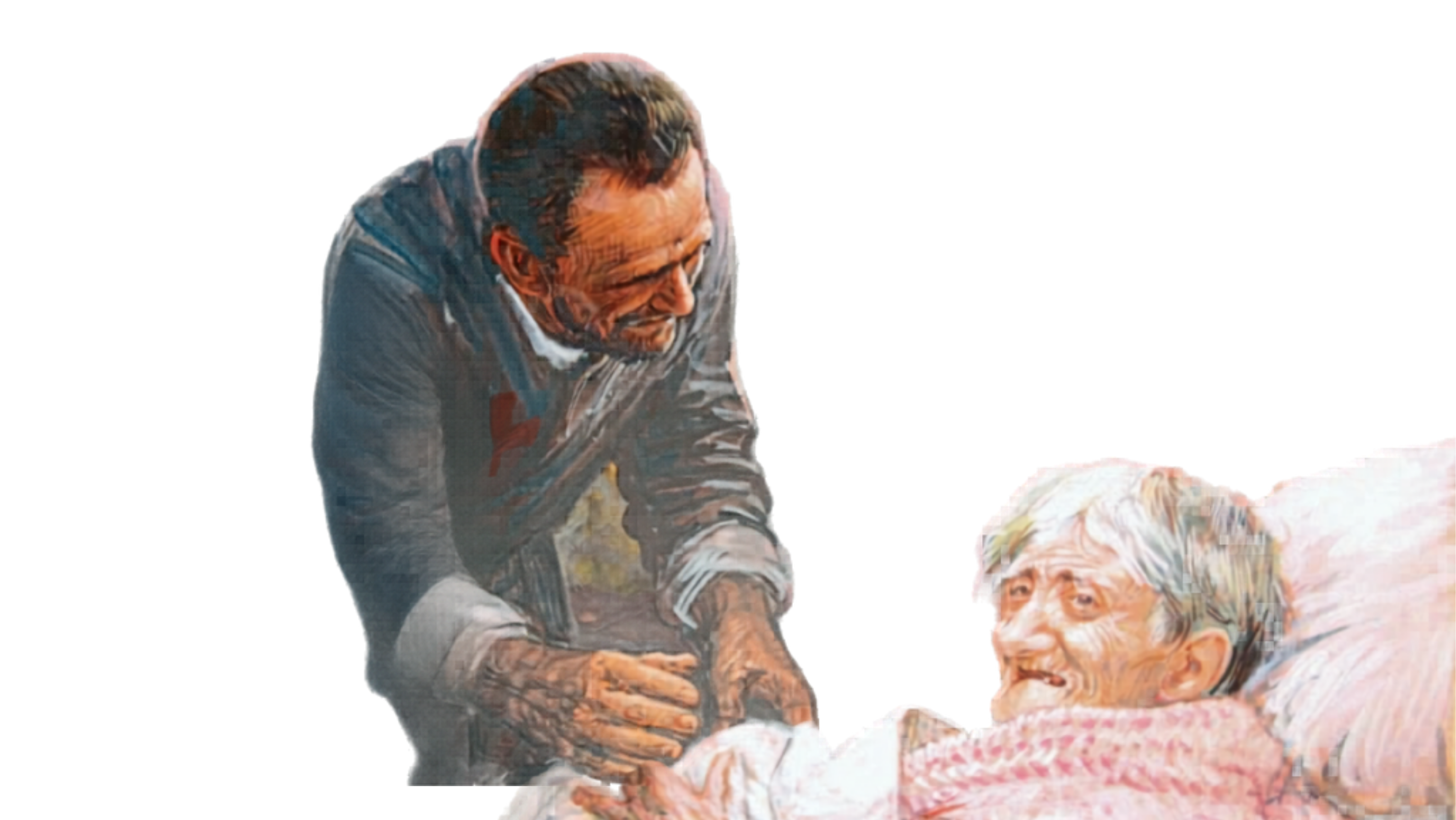
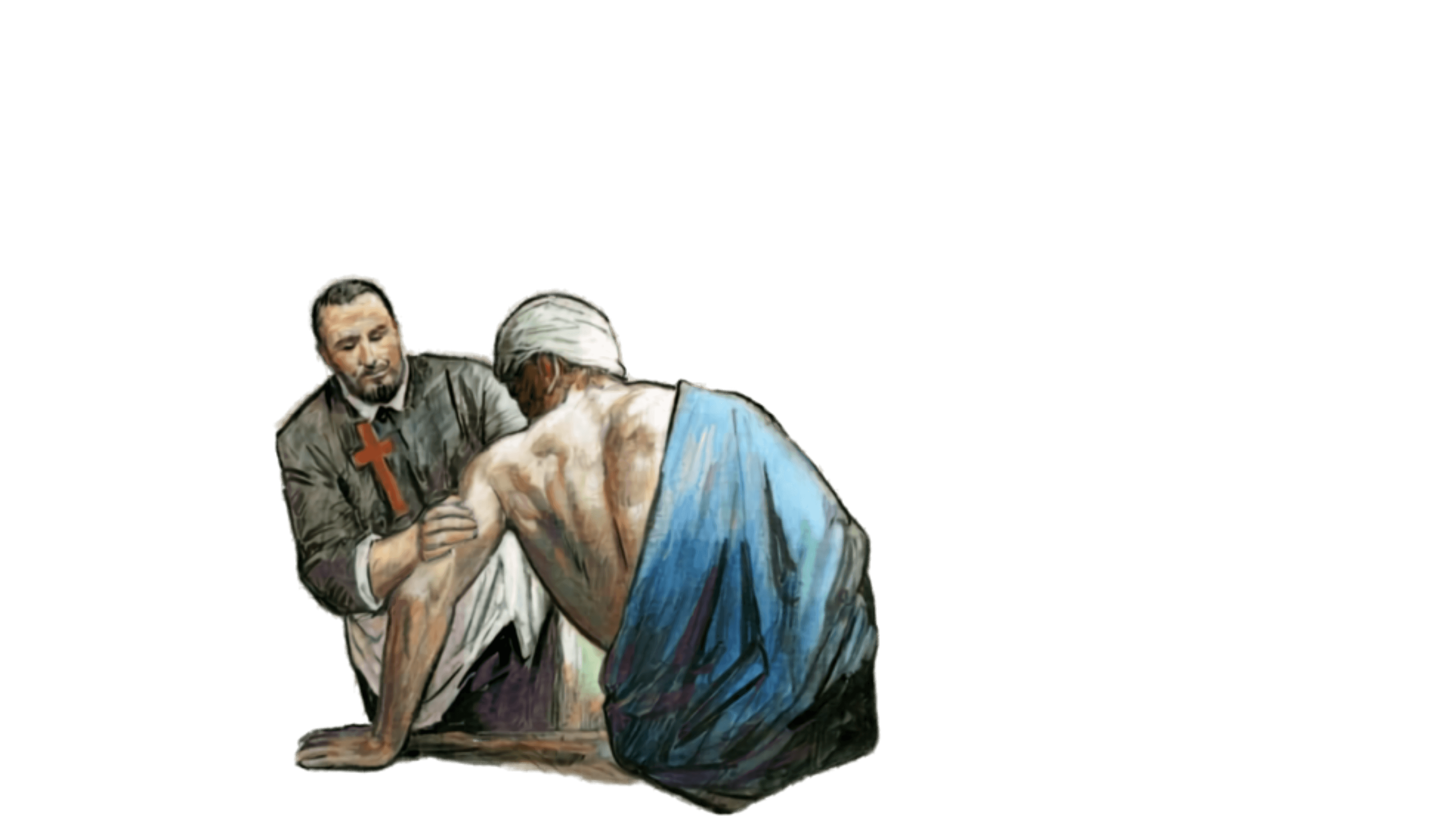
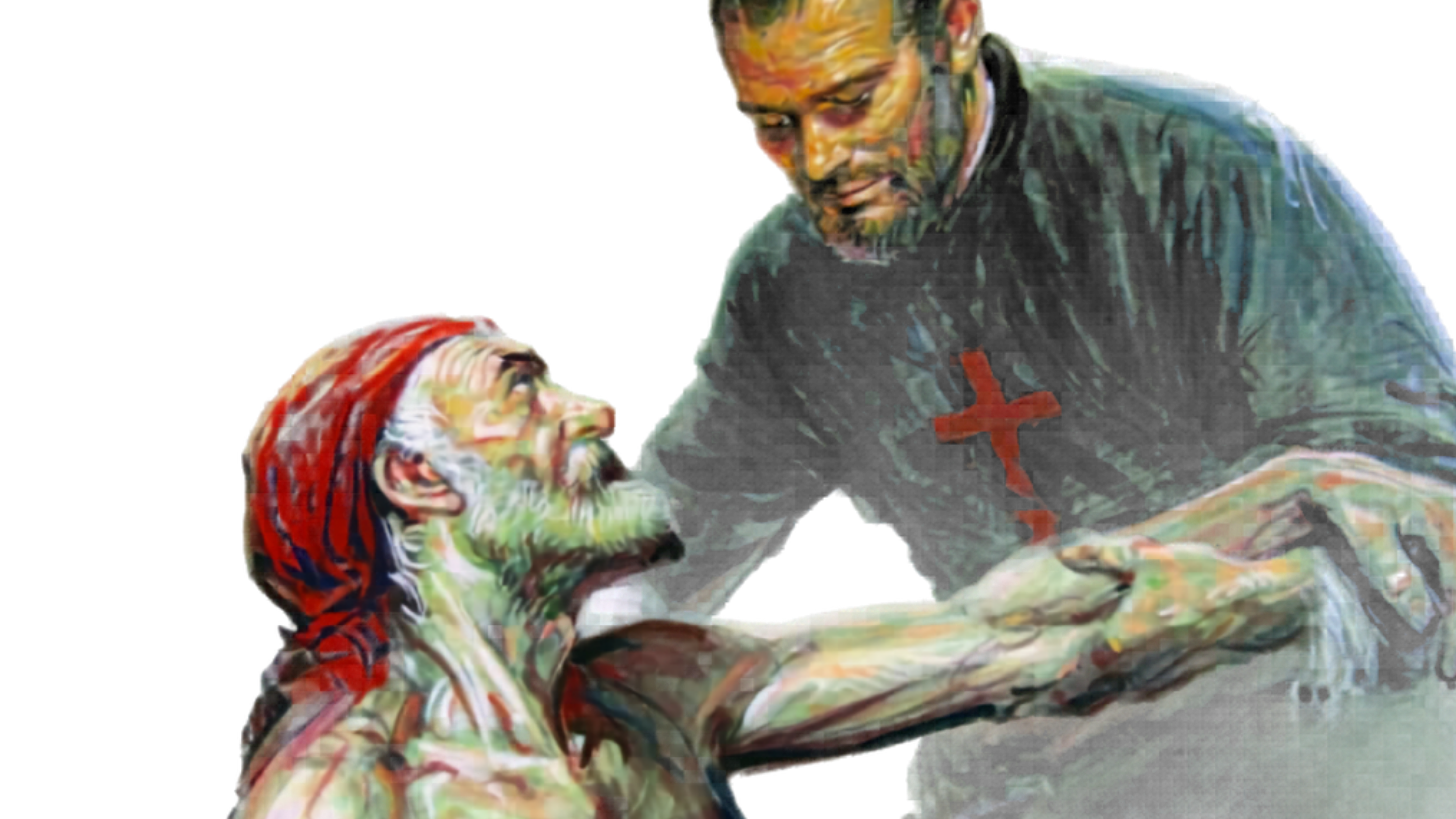
In a few lines our Constitution (Art. 13) indicates the profound evangelical foundation on which the spirituality that flows from our charism is based: the presence of Christ in us as we serve the sick, and the presence of Christ in the sick whom we serve. They are like the two rails of our spiritual journey. We may say that our entire Constitution, an expression of the experience of the founder, is pervaded by a double conviction: on the one hand, we identify ourselves with the merciful Christ and become good Samaritans to our neighbor in his greatest moment of vulnerability; on the other, we recognize Christ crucified in the person who suffers. In other words, we wish to be Jesus for the sick and serve Jesus in the sick.
Vendrame, Calisto. Camillians Today, English edition, 1986-1987
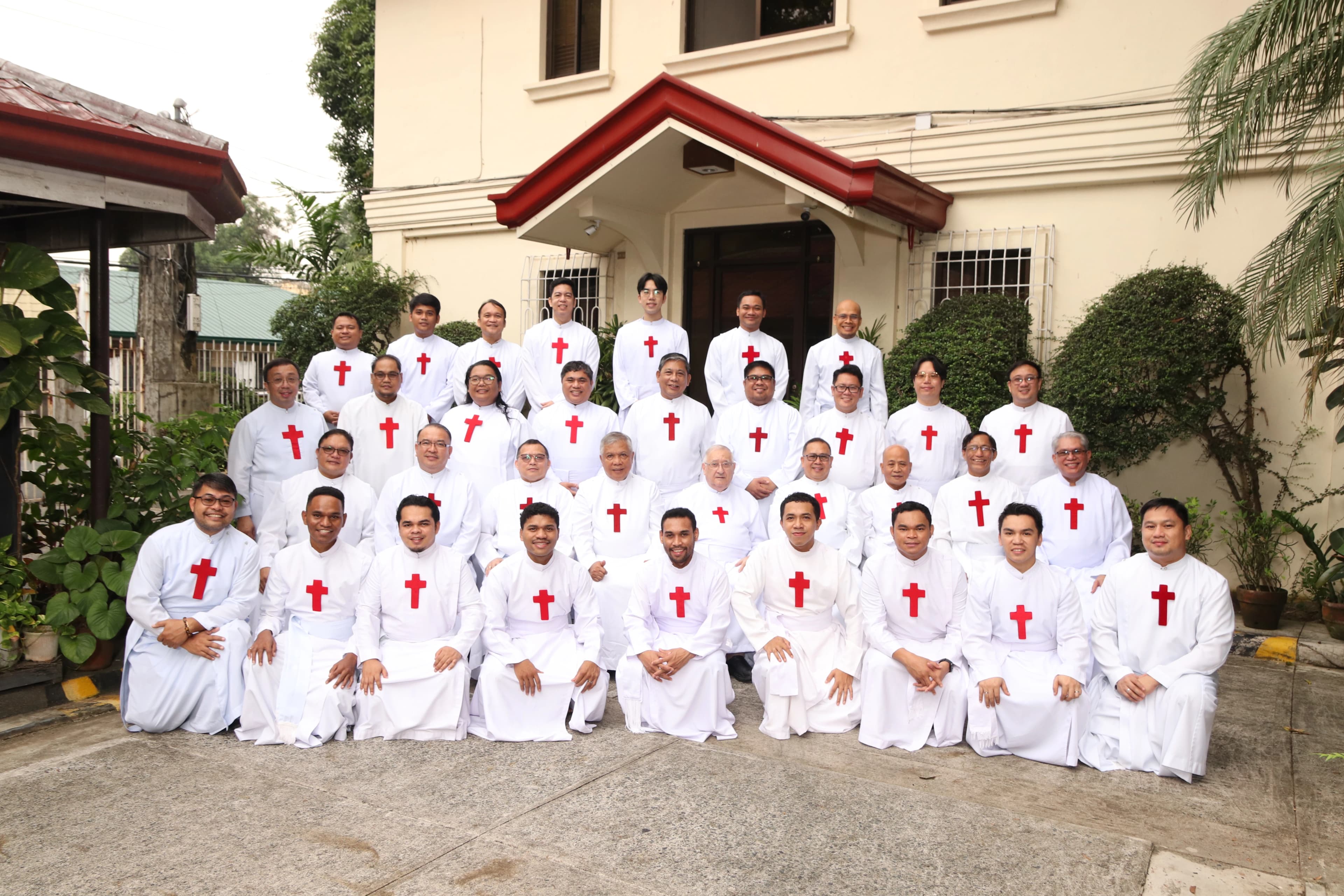
The leadership guiding the Camillian Philippine Province
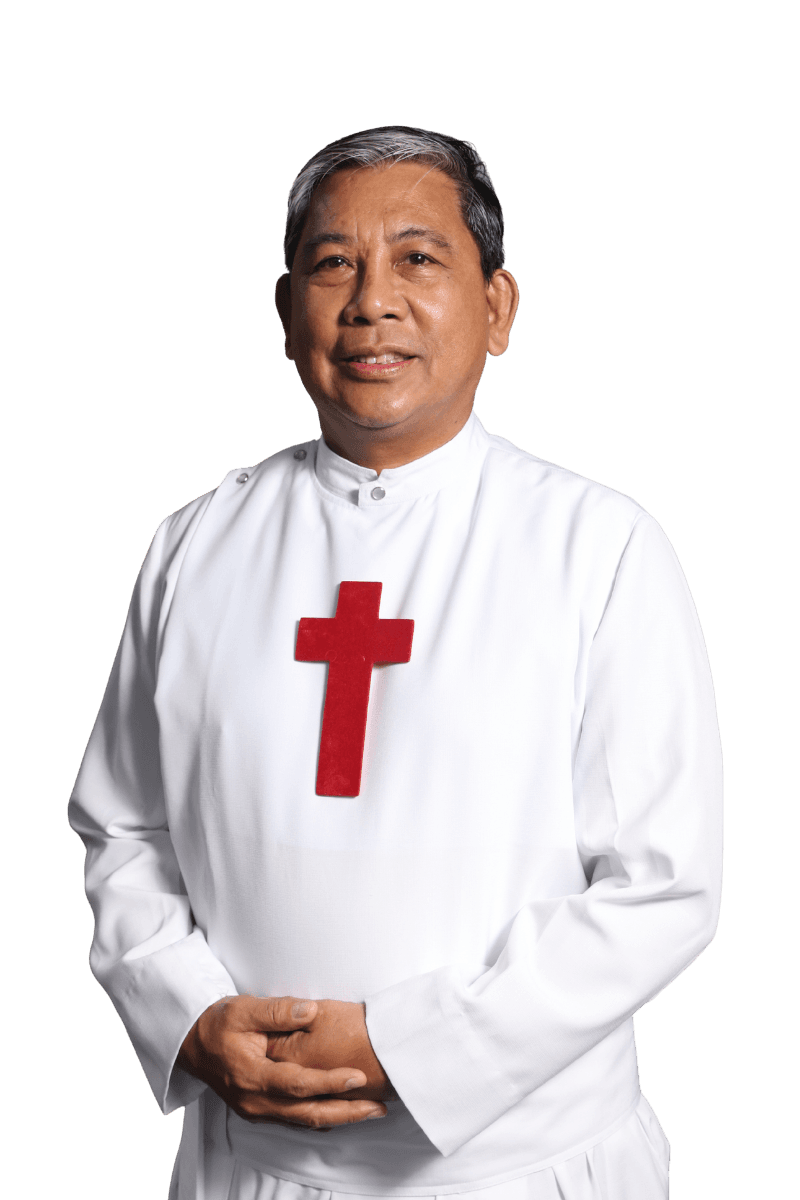
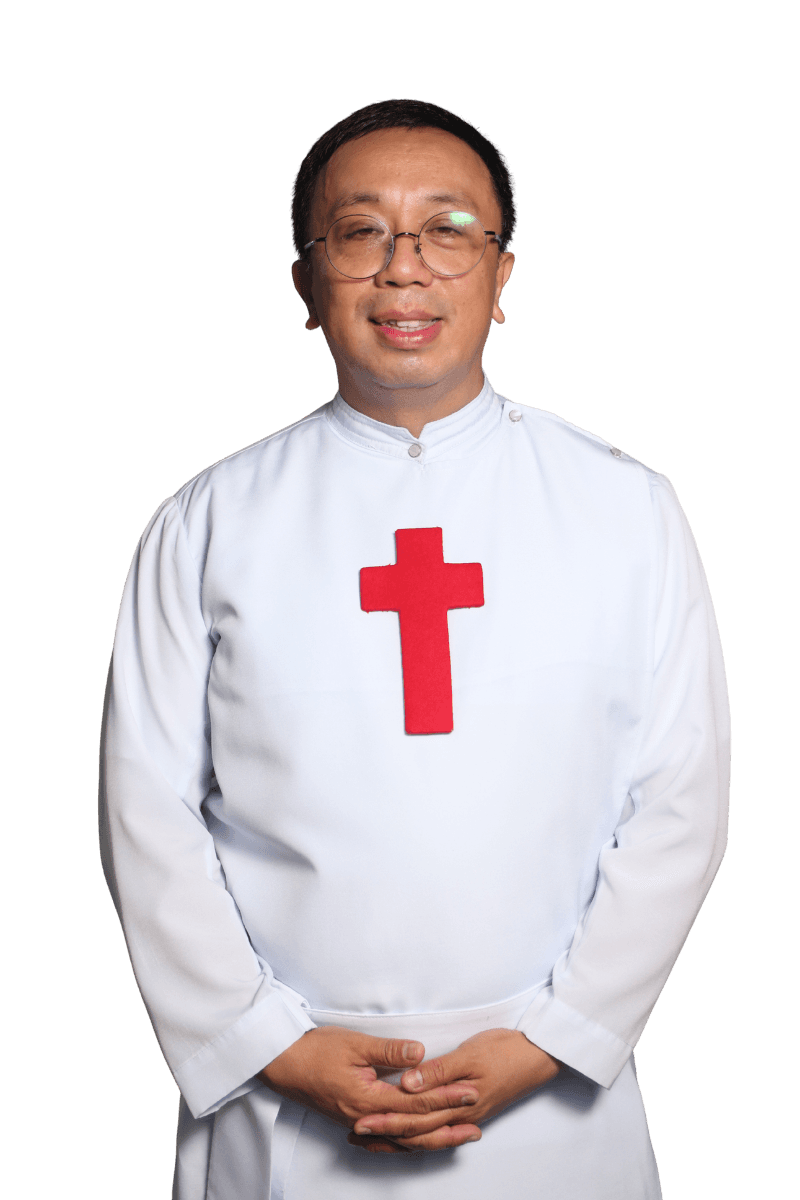
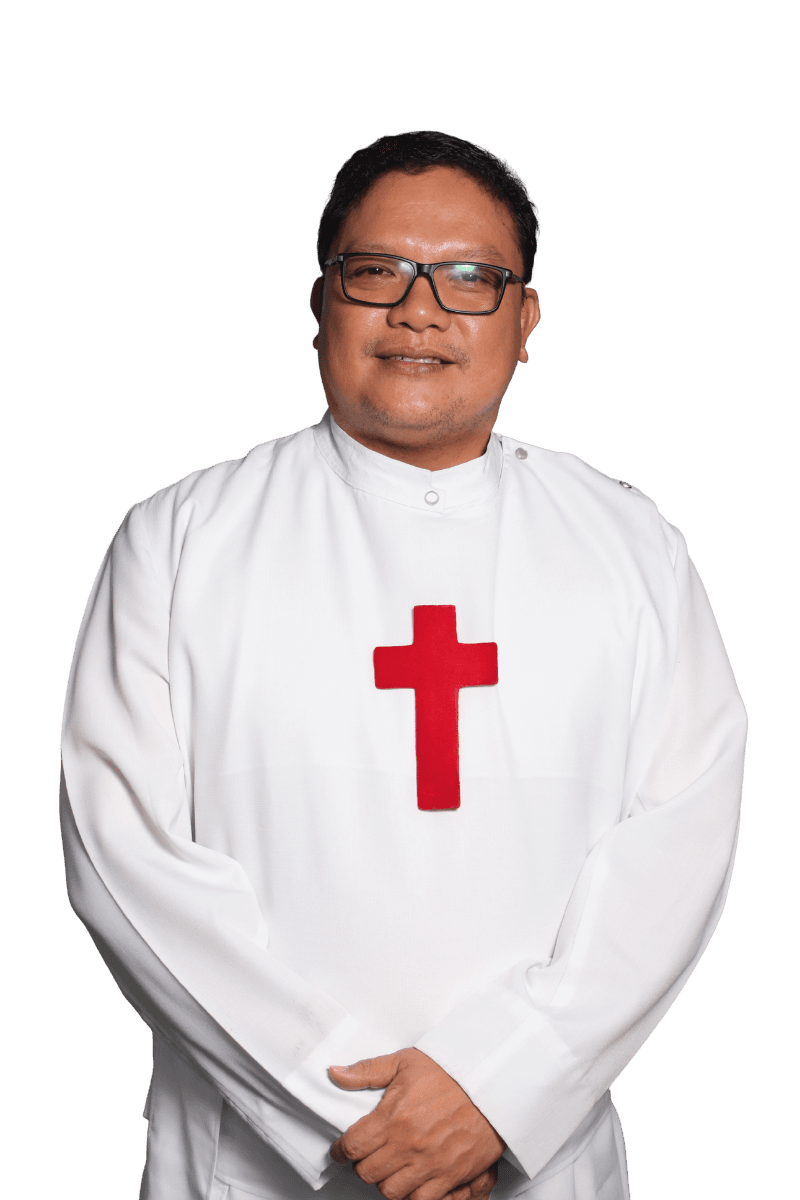
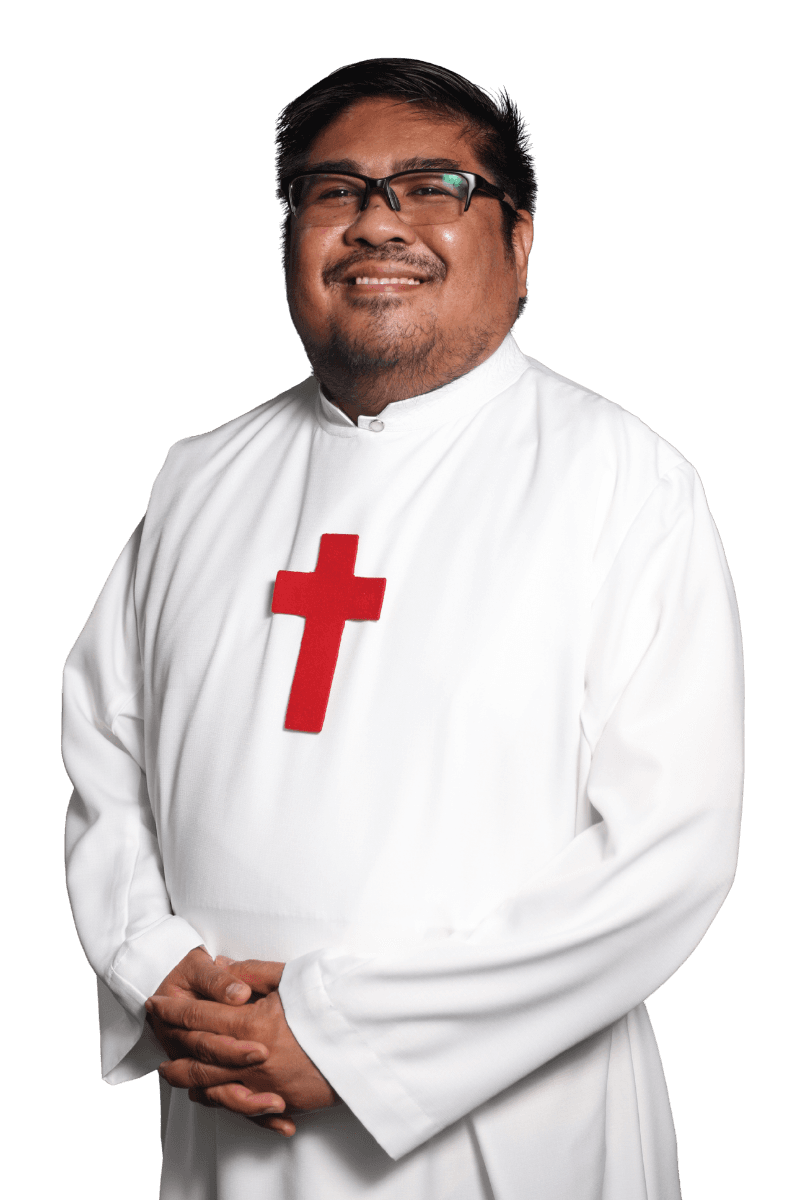
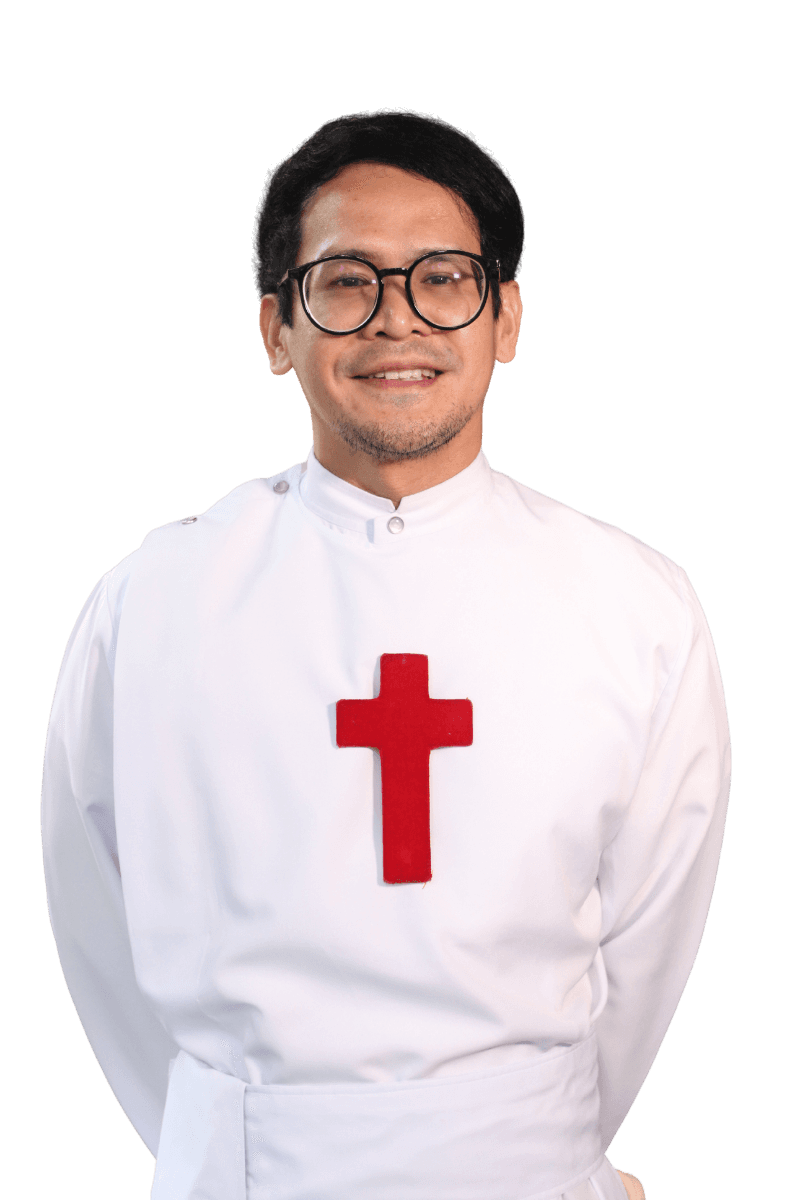
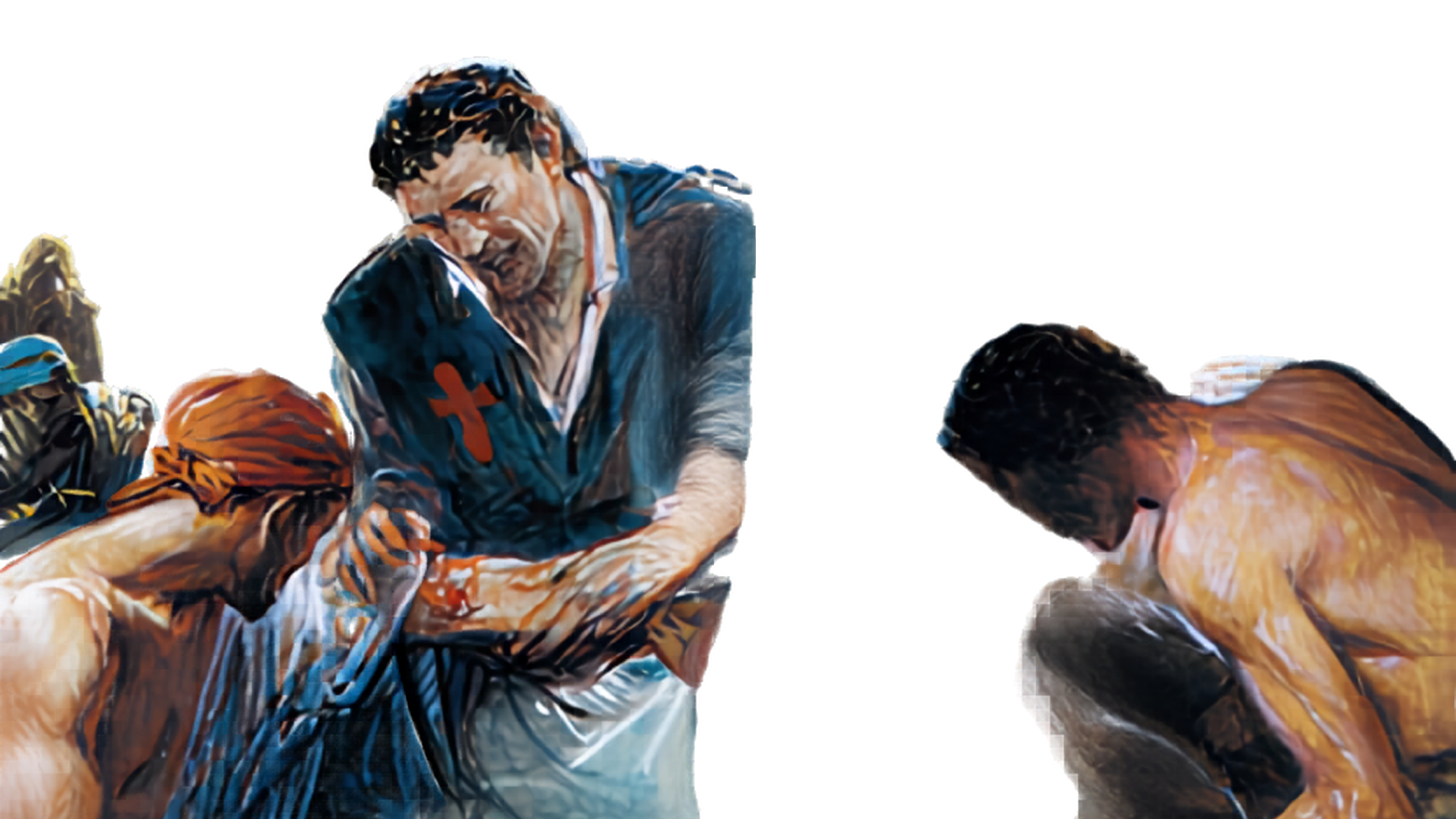
For the Ministers of the Infirm, the Red Cross is more than a sign of aid; it is a sacred emblem of religious promise. Approved by the Pope centuries ago, it symbolizes the Order's unique history and spiritual commitment to the suffering.
The emblem originates from a dream by St. Camillus's mother, Camilla, who saw children wearing crosses on their chests. She feared this foretold her son would lead bandits to the ruin of her home.
Instead, this "divine destiny" was revealed when Camillus returned years later, declaring God had made the cross "the resurrection of many and the exaltation of his glory".
On June 26, 1586, Pope Sixtus V formally granted the privilege of wearing this mark in recognition of the Order's charity. On the Feast of Saints Peter and Paul three days later, the Ministers of the Sick debuted the emblem at St. Peter's Basilica.
Predating the general humanitarian symbol by nearly three centuries, the Camillian cross is an original inheritance rooted deeply in Church history.
The Camillian cross is distinct in its theology. It is not merely a marker of medical presence, but a witness to the Passion of Christ.
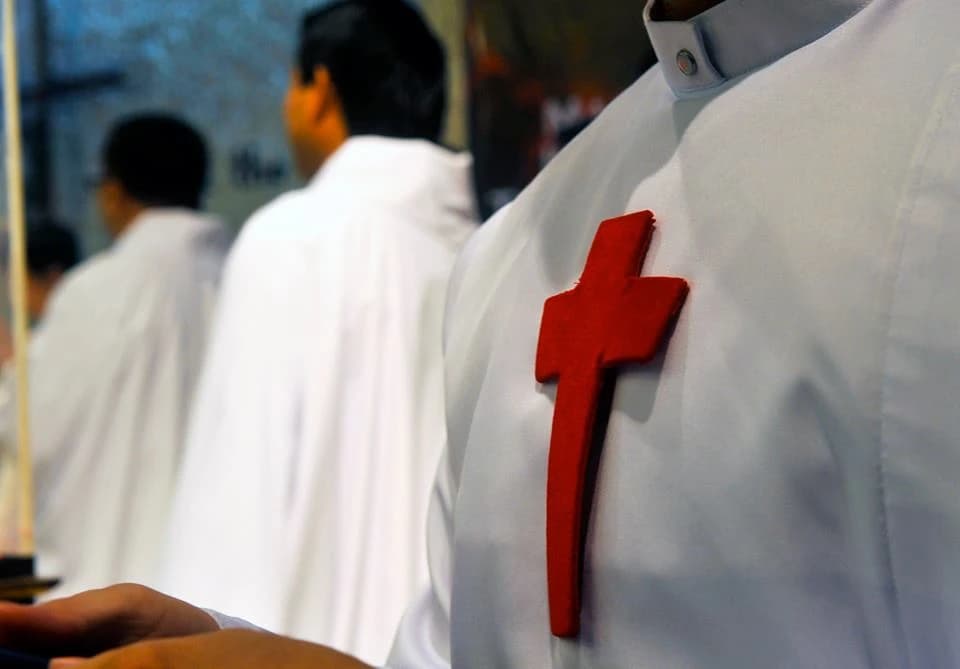
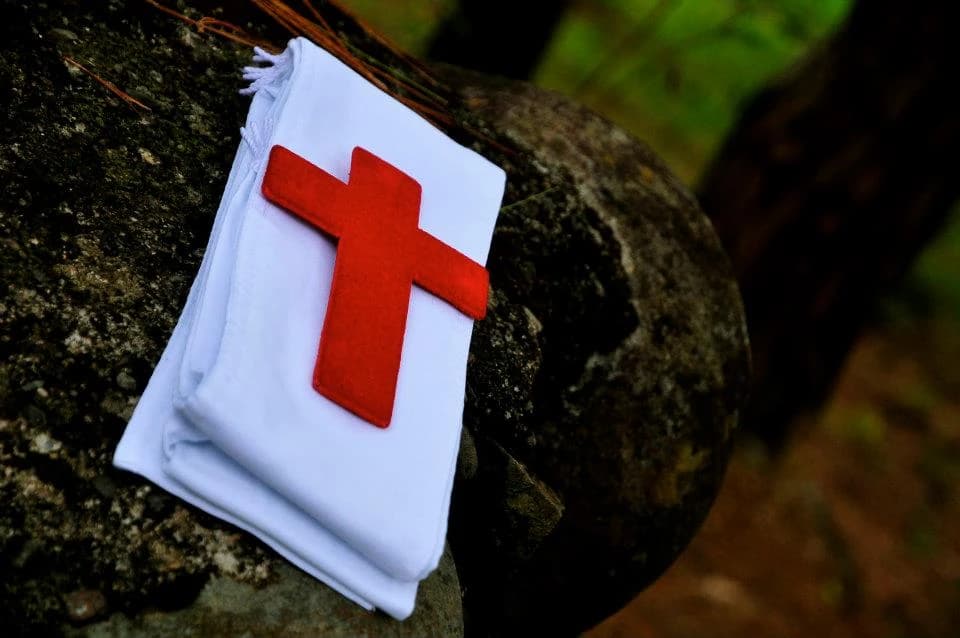
The crimson color was specifically chosen to recall the true wood of the Cross, stained by the blood of Jesus. It reminds both the wearer and the patient that the source of all healing and charity is Christ himself.
St. Camillus taught that the cross is a sign that the wearer is "sold and dedicated to the service of the poor and sick." It marks the religious not as a volunteer, but as one who has embraced a life of hard work, suffering and charity as a total offering.
While it is a sign of external help, Camillus also viewed it as a reminder of the interior battle to be fought and won within the soul of the minister, a constant call to overcome selfishness in order to love perfectly.
Visually, the Camillian emblem is distinguished by its traditional placement. In contrast to crusaders and knights who traditionally wore the cross on the left breast to symbolize a shield of defense, the Ministers of the Sick wear the Red Cross on the right breast of their habit.
Drawing on his background as a soldier, St. Camillus viewed his Order as one engaged in a spiritual battle. He chose the right side, the sword arm, because he intended the cross to be a sharpened sword and a deadly weapon used to vanquish and overcome the demons that assail a soul in its final moments. This position symbolizes active combat – an offensive fight to win over the souls of the sick and the dying.
Today, finding its place at the center of the habit, this emblem stands as the unique signature of the Camillian identity, preserving its spiritual legacy for over 400 years.
The "new school of charity" that St. Camillus has established has touched the hearts of many. As a result, it affected many people to share in the same charism of witnessing to the ever-present love of Christ to the sick. At present, the Camillians are present in 37 countries all over the world.
Camillian presence in the Philippines started in 1974. The task of vocation promotion launched at that time resulted in the steady increase of local vocations and the establishment of several Camillian religious houses in the country. Eventually the Philippine Province was formally established on July 1, 2003.
The Camillians of the Philippine Province exercise their ministry in Luzon (Quezon City, Makati, Marikina, Pasig, Antipolo and Baguio City), in the Visayas (Calbayog and Balugo, Dumaguete) and in Mindanao (Davao City and Mati, Davao, Orienta).
The Philippine Province includes the Delegations of Taiwan and Australia. In Taiwan, the Camillians are present in Taipei and in the province of Lotung. In Australia, Camillian communities are found in Perth and Sydney. Recently, the seminary community in Indonesia was established. Some members of the Province are currently based in Germany, Italy and the USA.
The religious of the Philippine Province live out their charism through a plurality of expressions. They are involved in:
Hospital chaplaincy
Administration of hospitals and polyclinics
Parish ministry
HIV/AIDS ministry
Community-based health care
Public health services
Seminary formation
Pastoral formation of health care workers and providers
Discover the rich history of the Camillian Order in the Philippines and how we continue to serve the Filipino people today.
Explore Our HistoryAre you called to serve the sick and suffering? Explore a vocation with the Camillian Order.
Explore Vocation